"Read it yourself," Rick said, and slid the instructions back across his dining room table in Rockford. My father-in-law is an accountant, and he has a firm rule about my taxes: he'll answer a question, but he won't fill in a line. It may be the most useful thing he's ever done for me, though I didn't think so at the time.
This was the last piece of the insulation project: getting some of the money back. Two pieces of money, really, from two places, with two different stacks of paperwork. Here's the whole trail, as it went for work we finished in October 2025.
The trail, in order
- September 24: Consumers Energy home energy assessment. We kept the report with the 2,950 CFM50 blower door number and the list of findings.
- Early October: Three quotes from contractors on Consumers' participating-contractor list, which mattered for the rebate. We went with the $3,850 one.
- October 21 and 22: The job. Retest on the 22nd: 2,080 CFM50.
- October 29: Rebate application submitted online.
- January 9: $750 rebate check in the mailbox.
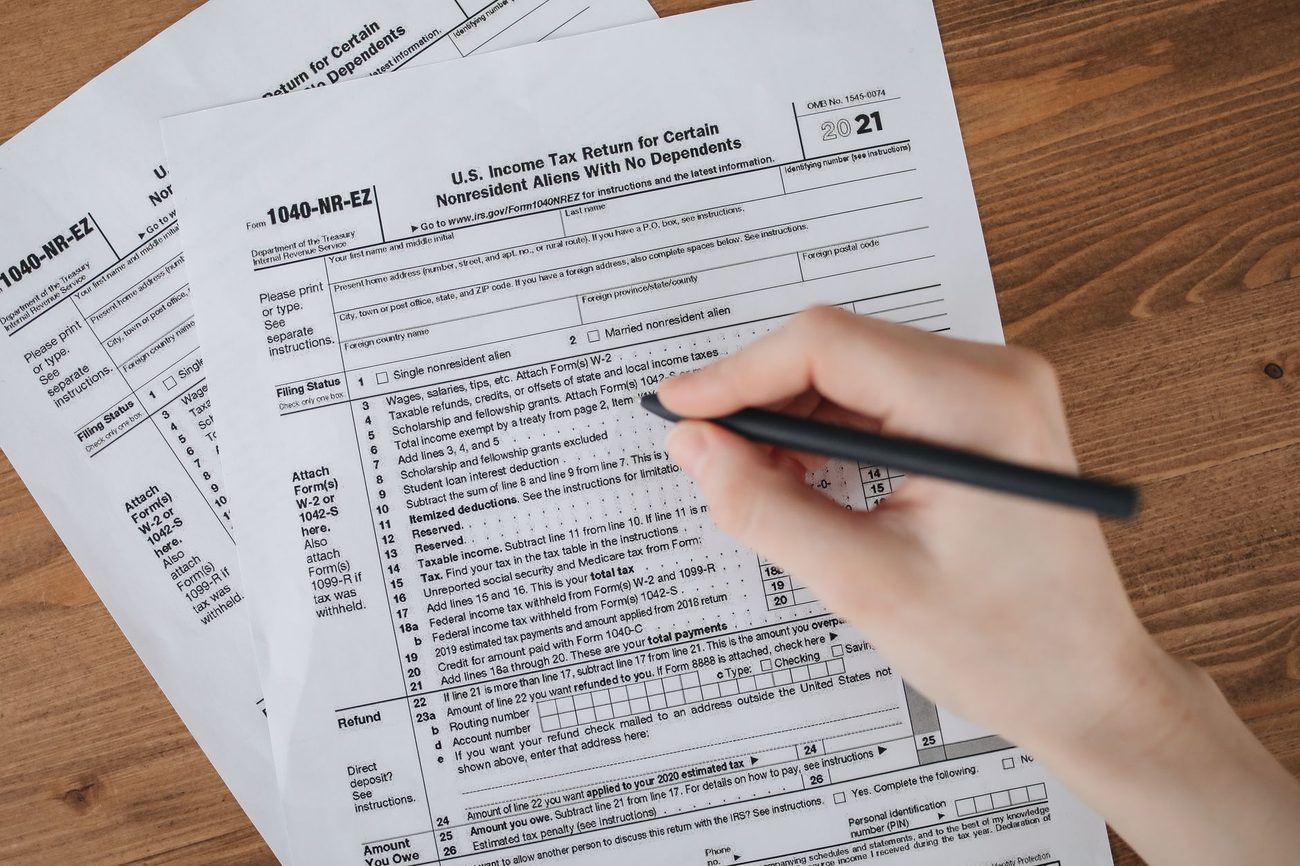
- March 14: Our 2025 federal return filed, with a $690 energy-efficiency credit.
The rebate
The Consumers Energy rebate was the easy one. The online application took about 25 minutes at the kitchen table. It asked for our account number, the contractor's information, the paid invoice and the project details, including the before-and-after test numbers, which the contractor provided on a one-page job summary. I uploaded the PDFs, got a confirmation email, saved that email as a PDF too, and then heard nothing for about two months.
The check came on January 9th, the week after my year-end inventory count at work, so it felt like a prize for surviving that. It went straight back into savings, since savings had covered the job.
The credit, and the paper we almost lost
The federal credit was more work. It came to 30 percent of the qualifying cost, which for our job meant about $2,300 in insulation and air-sealing materials. As I read the rules, labor didn't count, which is why the invoice mattered so much.
The contractor's first invoice was a single line: insulation and air sealing, $3,850. That's fine for a rebate and a bank statement, and useless for working out what share was materials. Back in October I'd asked for an itemized version that split materials and labor line by line, and the contractor emailed one over.
In March I went looking for it. It wasn't in the folder. It wasn't in my email, or in Tessa's. As far as we can tell, it was an attachment we opened on a phone, said "great" to and never saved anywhere. I called the contractor's office on a Friday, a little embarrassed, and they resent it within the hour, along with the manufacturer's certification statement for the cellulose, the document saying the product qualifies. I'd forgotten we needed that one at all.
From there it was the form and its instructions, which I read twice, because Rick was going to ask. I entered the materials figure from the itemized invoice, we filed jointly for the first time on a Saturday morning, and then I went to the basement to replace a sump pump, which is its own post and its own mood.
My understanding, and I'll keep saying "my understanding," is that this credit ended for work finished after 2025, so we got in under the line. If you're reading this later, or your situation is different from ours, check with a tax preparer before counting on any of it.
The folder I'd start on day one
Next time, the folder exists before the first contractor shows up. Ours now holds the assessment report, all three quotes, the signed contract, the itemized invoice, the job summary with both blower door numbers, the rebate confirmation, a photo of the rebate check, the certification statement and a copy of the tax form. Paper copies live in the filing box, and the scans sit in a folder linked from the house sheet.
The final line in the sheet: $3,850 for the job, minus the $750 rebate and the $690 credit, for a net cost of $2,410. I like that number a lot more than the one on the original invoice, and I only got it because somebody at the contractor's office picked up the phone on a Friday.