$15,800. That's the number on the written quote for a cold-climate ducted heat pump that landed in my inbox on Tuesday, a few days after the estimator walked our basement with a flashlight and a tape measure. I'd been curious about heat pumps since last September's energy assessment, when our 1998 furnace got a polite note in the "aging" column. Now we have real numbers, and for us, right now, they say not yet.
What the quote covered, and what it didn't
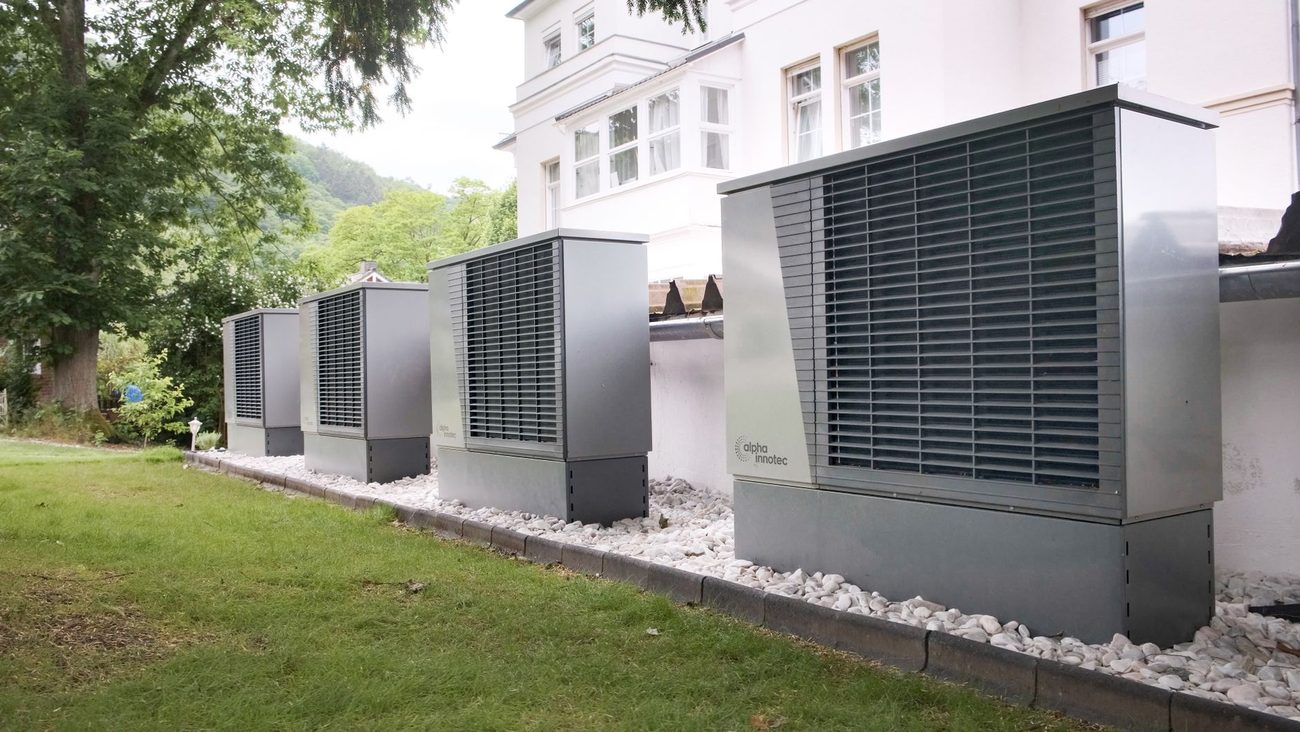
The quote was for a ducted unit built for cold climates that would replace both our 1998 Carrier furnace and our 2011 Goodman air conditioner, using the existing ductwork. The estimator was straightforward about Michigan winters: it would carry most of the season on its own and lean on backup heat on the coldest nights. He asked for our blower door number, which I happened to have in the house sheet (2,080 CFM50 after last October's insulation), and he sized the system from a load calculation instead of copying the old furnace's label.
Then he looked at our electrical panel for a long time and said, "You're going to want 200 amps." We have a 100-amp Square D panel from the late 1980s. An electrician came out yesterday (Fridays are my work-from-home days, so that's when the house gets visitors) and quoted the upgrade at $3,200. So the real number is closer to $19,000.
One more piece: as I understood it from the estimator and my own reading, the federal tax credit that used to take a chunk off a heat pump isn't available for work done this year. I'm not a tax person, and anyone weighing the same thing should check with a tax preparer. We simply planned as if there's no credit.
The math, in plain numbers
Here's what settled it for me. Our whole gas bill for this past heating season, November through March, was $664. That's after the insulation, and it includes the water heater. Even in a fantasy where a heat pump heated the house for free, $19,000 against $664 a year is almost 29 years before it pays for itself. And it wouldn't be free. The heating would just move to the electric side of the same Consumers Energy bill.
I know payback isn't the whole story. A heat pump replaces the air conditioner too, and people choose them for comfort or because they'd like to move off gas, and those are real reasons. But our AC is a 2.5-ton Goodman from 2011 that cooled the house fine last summer. Throwing out a working AC to make the heat pump numbers look better felt backwards to me.
My mistake going in was assuming the panel was fine because nothing ever trips. That isn't how a load calculation works, it turns out. The panel is fine for the house we have. It isn't fine for the house with a heat pump, an electric backup strip and everything else running on a January night.
What we're doing instead
Our furnace still runs, and the tech who tuned it up last October called it "old but sound." But it's an 80 percent unit venting into the chimney, it's 28 years old, and I'd rather not find out what its last day looks like during a January cold snap. So the plan is a high-efficiency, two-stage gas furnace in August, when HVAC companies aren't slammed and we can get three quotes without anyone shivering. I'll start lining up those quotes in July.
The heat pump goes in the house sheet as a future row with one trigger: the day the 2011 AC dies. At that point the AC needs replacing anyway, a newer furnace could serve as backup heat, and the panel question comes back around. Maybe the 200-amp upgrade will have happened for some other reason by then. Maybe prices will look different. I don't know, and I'm comfortable not knowing yet.
Tessa read the quote over my shoulder, then the panel quote, then my 29-year payback line, and said, "So we're buying a furnace in a heat wave." Probably, yes. I'd still rather sweat through an install day in August than wait for the furnace to pick the date for us.