The paint chip stayed taped to the front door for most of May. It was a deep green, close to black in the evening light, and every time I came in from the driveway I looked at it and did the math on how much scraping stood between us and that color. Tessa had picked it in about four seconds. "If we're scraping the whole thing anyway," she said, "it might as well end up a color."
What the wood looked like by June
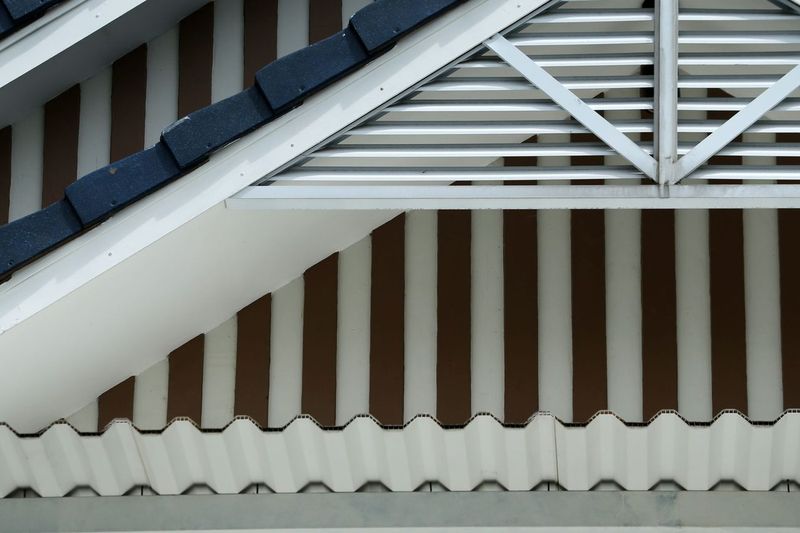
The siding on the Cape is white aluminum from the 1970s, and we've never touched it. The wood is another story: window casings, the door surround, the six shutters across the front, the board under the front eave and the trim around the two little original windows up in the gable ends. On the south and west sides the paint had cracked into scales, and the bottom rail of one shutter was bare gray wood. The front door takes the afternoon sun, and whatever color it started as had faded to a tired brownish pink.
When a painter came out last summer, his quote for the full exterior was $7,800. That covered more than we needed, but even with the siding left out, most of the cost was labor we could supply ourselves if we gave it the time. So we blocked out three weekends in late June and early July and kept the job to wood only.
One decision came before any scraping. In a house this old, I assume there's lead somewhere in the layers, so we scraped by hand, misted the surface first to keep the dust down, laid plastic under every work area and bagged the chips at the end of each day. No power sander, no heat gun. It was slower, and I'm fine with that tradeoff.
Weekend one: scraping is the job
June 20 and 21 were all prep. We started at 6:30 both mornings to stay ahead of the sun, which swings around to the front of the house by early afternoon. I worked a carbide scraper along the casings and used sanding sponges to feather the edges so the old paint lines wouldn't show through. Anywhere the scraper reached bare wood got a coat of Zinsser exterior primer, and every open joint between trim and siding got fresh caulk. By Sunday afternoon the house looked worse than when we started, which I'm told is the correct sign.
I'm not going to pretend about the ladder work. I don't like being much more than 12 feet up, and the gable window trim is well past that. Tessa went up our 24-foot extension ladder like it was the basement stairs. I footed the ladder and handed things up, which I described at the time as the harder job. Nobody agreed.
Weekend two: shutters on sawhorses
On June 27 I numbered the backs of the shutters with a marker, took them down and laid them across sawhorses in the garage, under the roof we'd finished three weeks earlier. Painting them flat went about three times faster than it would have on the wall, and nothing dripped into the louvers. They got two coats of the green. While they dried I did the board under the front eave, which on a Cape is low enough to stay inside my ladder rule, and put the first coat of white on the casings.
Sunday was second coats and rehanging. The numbers on the backs worked, mostly. Shutters four and five traded places somehow, and nobody has noticed but me.
Weekend three: the door
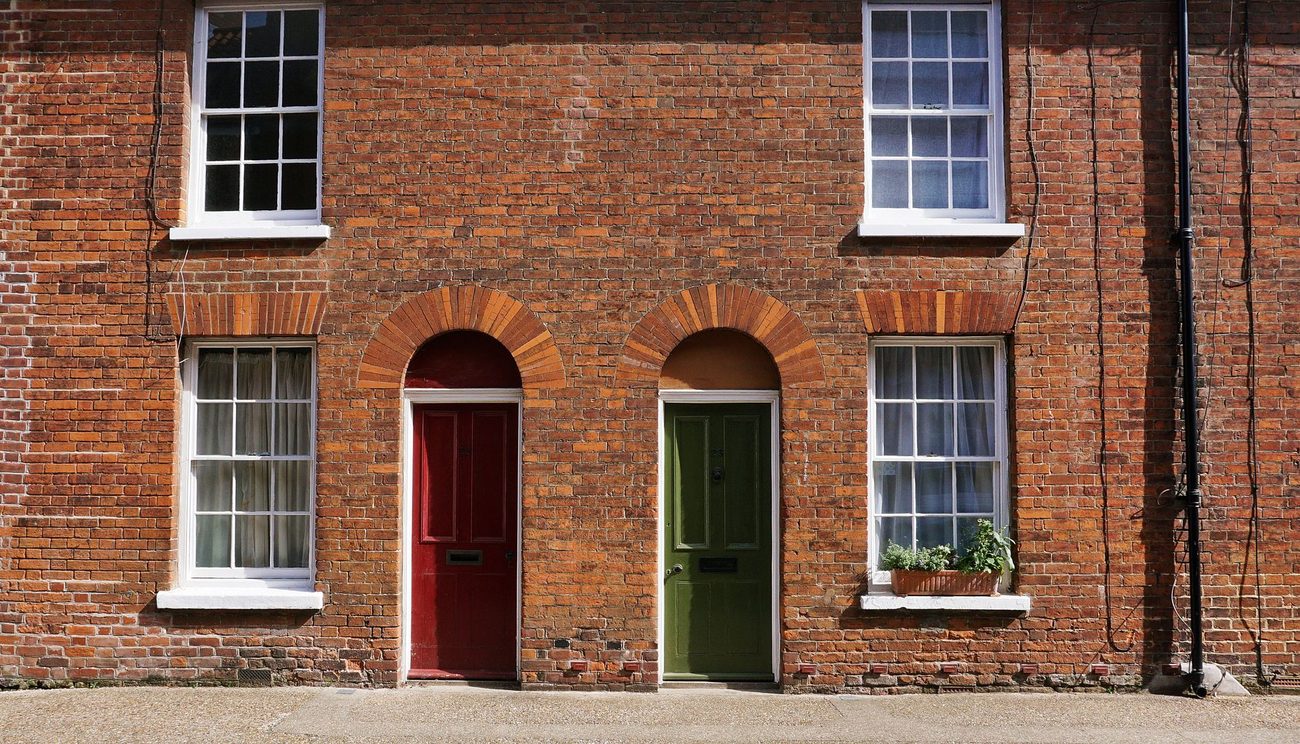
We painted the door in place over the Fourth of July weekend, starting at 7 a.m. while that side of the house was still in shade. It stayed propped open on a wedge, and Moose spent the morning lying in the living room exactly far enough from the wet paint to be legally innocent. Tessa cut in the panels, since a steady hand is basically her job description, and I rolled the flat parts with a small foam roller.
Here's my mistake. Instead of taking off the brass kick plate and the house numbers I'd put up last August, I taped around them. When I pulled the tape Saturday afternoon, it lifted a jagged strip of fresh paint along every edge. On Sunday I unscrewed everything I should have unscrewed on Saturday, sanded the ragged lines and recoated. That cost two hours and one short speech to myself while the neighborhood finished off its leftover fireworks.
The paint was Sherwin-Williams Duration, bought during a sale in June. Here's where the $420 went:
- Duration, two gallons of white and one of the green: $198
- Exterior primer for the bare spots: $34
- Six tubes of exterior caulk: $41
- Exterior wood filler: $14
- Scrapers, a spare carbide blade and sanding sponges: $46
- Two good angled brushes and a small foam roller: $52
- Tape, tack cloths and painter's pyramids for the shutters: $35
Linda from next door walked over Monday evening, studied the front of the house for a while and said it looked like it had finally made up its mind about something. Tessa has repeated that to three people so far.